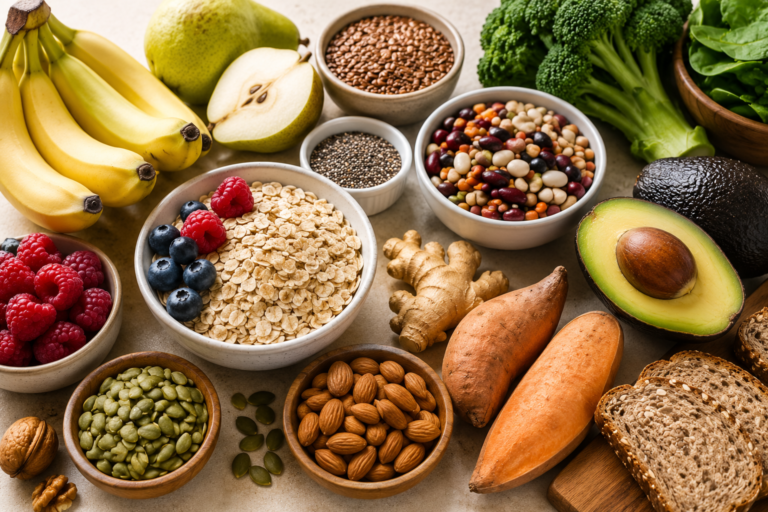

Healthy living is often associated with major lifestyle changes, but in reality, small daily habits can have a meaningful impact on overall health and wellbeing. The choices we make each day, from drinking enough water to getting quality sleep, can help shape our physical health, mental wellness, and long-term quality of life.
Building daily healthy habits is one of the most effective ways to improve your health, increase your energy levels, and support long-term wellbeing.
Many people believe that improving their health requires drastic transformations. However, sustainable progress is usually built through simple actions repeated consistently over time. Small habits are often easier to maintain and can gradually become part of a healthy lifestyle.
Daily healthy habits support more than just physical wellness. They can also contribute to better energy levels, improved focus, reduced stress, and a greater sense of balance throughout the day. When combined, these habits create a strong foundation for long-term wellbeing.
Whether your goal is to feel more energized, improve your daily routine, or create a healthier lifestyle, developing positive habits is one of the most effective places to start.
In this guide, we'll explore 10 daily healthy habits that can help improve your health and wellbeing, along with practical tips for incorporating them into your routine.
Why Daily Healthy Habits Matter
Healthy habits influence many aspects of life. While individual results vary, consistent positive behaviors can help support overall wellness and make healthy living feel more achievable.
One of the greatest advantages of daily healthy habits is their cumulative effect. A single healthy choice may seem small, but repeated actions over weeks, months, and years can contribute to meaningful lifestyle improvements.
Daily habits also help create structure. Having routines in place can reduce decision fatigue and make it easier to maintain healthy behaviors even during busy periods.
In addition, healthy habits often work together. Drinking enough water may support energy levels, which can encourage physical activity. Better sleep may improve focus, making it easier to maintain healthy eating patterns. These habits create a positive cycle that supports overall wellbeing.

1. Start Your Day With Hydration
After several hours of sleep, your body naturally needs fluids. Drinking water early in the day is a simple habit that supports hydration and helps establish a healthy routine from the moment you wake up.
Many people find that keeping a glass or bottle of water nearby makes it easier to remember this habit. Some also enjoy adding lemon or fresh fruit for variety.
Proper hydration supports many essential functions within the body and is an important part of overall wellness.
2. Plan Your Day With Intention
Taking a few minutes each morning to organize your priorities can help reduce stress and improve productivity. Writing down goals, appointments, or important tasks creates a sense of direction and focus.
Planning does not need to be complicated. A simple list of priorities can make a significant difference in how your day unfolds.
3. Eat A Nutritious Breakfast
A balanced breakfast can provide energy and help support healthy eating habits throughout the day. Many people choose foods that include protein, fiber, healthy fats, and nutrient-rich ingredients.
The goal is not perfection but consistency. Choosing nourishing foods regularly can contribute to better overall wellbeing.
4. Practice Gratitude Daily
Gratitude is a simple habit that encourages a positive mindset. Taking a few moments each day to reflect on things you appreciate may help shift attention toward positive experiences and support emotional wellbeing.
Some people keep a gratitude journal, while others simply reflect quietly each morning or evening.

5. Move Your Body Every Day
Daily movement is one of the most beneficial habits for overall health and wellbeing. Physical activity does not necessarily require intense workouts or hours at the gym. Simple activities such as walking, stretching, gardening, or cycling can contribute to an active lifestyle.
Regular movement supports physical health, helps maintain mobility, and can contribute to better energy levels throughout the day. Many people also find that exercise supports mental wellbeing by helping them manage daily stress.
The key is consistency. Finding activities you enjoy can make it easier to stay active and turn movement into a sustainable habit.
6. Spend Time Outdoors
Spending time in nature can be a valuable addition to a healthy daily routine. Whether it's a walk in a local park, time in a garden, or simply sitting outside for a few minutes, outdoor experiences can provide a refreshing change of environment.
Many people report feeling more relaxed and mentally refreshed after spending time outdoors. Exposure to natural surroundings can also encourage movement and help break up long periods of sitting indoors.
Even a short amount of time outside each day can contribute to a greater sense of wellbeing.
7. Choose Mindful Eating Habits
Healthy eating is not only about food choices but also about how we approach meals. Mindful eating encourages paying attention to hunger cues, eating slowly, and enjoying food without unnecessary distractions.
This practice may help create a healthier relationship with food and support more intentional eating habits.
Simple strategies include sitting down for meals, chewing thoroughly, and focusing on the eating experience rather than multitasking during meals.
8. Take Short Breaks During The Day
Many people spend long periods sitting at desks, working on computers, or focusing on tasks without interruption. Taking short breaks throughout the day can help support both physical comfort and mental focus.
Standing up, stretching, walking briefly, or simply stepping away from work for a few minutes can provide an opportunity to reset and recharge.
These small breaks can be especially valuable during busy schedules and may help improve overall productivity and wellbeing.
The Power Of Consistency
One reason daily habits are so effective is that they rely on consistency rather than perfection. Missing a habit occasionally is normal. What matters most is returning to your routine and maintaining healthy behaviors over time.
Many successful lifestyle changes happen gradually. Small improvements repeated consistently often lead to more sustainable results than attempting dramatic changes all at once.
Building healthy habits should feel realistic and adaptable to your personal lifestyle. By focusing on progress rather than perfection, you create a routine that can support long-term wellbeing.

9. Create A Healthy Evening Routine
The way you end your day can be just as important as how you begin it. A healthy evening routine helps signal to your body that it is time to relax and prepare for rest.
Many people benefit from creating calming nighttime habits such as reading, stretching, journaling, or reducing screen time before bed. These activities can help create a more peaceful transition from a busy day to a restful night.
A consistent evening routine also provides an opportunity to slow down, reflect on the day, and prioritize self-care.
10. Prioritize Quality Sleep
Sleep is one of the most important pillars of overall health and wellbeing. During sleep, the body performs essential processes that support recovery, cognitive function, and overall wellness.
Developing healthy sleep habits can help improve sleep quality and support daily energy levels. Common recommendations include maintaining a consistent bedtime, creating a comfortable sleep environment, and limiting stimulating activities before bed.
While sleep needs vary from person to person, prioritizing rest is a valuable habit that supports many aspects of physical and mental health.
How To Build Healthy Habits That Last
One of the biggest challenges people face is maintaining healthy habits over time. The good news is that lasting habits do not require perfection. Instead, they are built through consistency and realistic expectations.
If you're trying to develop healthier routines, consider starting with one or two habits rather than changing everything at once. Small improvements are often easier to maintain and can create momentum for future changes.
It can also be helpful to connect new habits to existing routines. For example, drinking water after brushing your teeth or taking a short walk after lunch can make healthy behaviors easier to remember.
Most importantly, be patient with yourself. Building habits is a gradual process, and progress often happens through small daily actions repeated over time.
Frequently Asked Questions
What are the most important daily healthy habits?
Some of the most commonly recommended habits include staying hydrated, eating balanced meals, moving your body regularly, managing stress, and getting enough sleep.
How long does it take to build a healthy habit?
The time required varies from person to person. Consistency is often more important than speed when developing new habits.
Can small habits really make a difference?
Yes. Small habits may seem insignificant individually, but their cumulative effect over time can contribute to meaningful improvements in health and wellbeing.
Why is consistency important?
Consistency allows healthy behaviors to become part of your daily lifestyle. Sustainable habits are often more effective than short-term efforts that are difficult to maintain.
What should I do if I miss a habit?
Missing a habit occasionally is normal. The most important step is simply returning to your routine and continuing your progress without focusing on perfection.
Final Thoughts
Healthy living does not require dramatic changes or complicated routines. In many cases, the most meaningful improvements come from small daily habits practiced consistently over time.
Simple actions such as staying hydrated, planning your day, moving regularly, spending time outdoors, eating mindfully, taking breaks, and prioritizing sleep can help support long-term health and wellbeing.
Remember that every positive choice matters. Even small habits can contribute to a healthier lifestyle when repeated consistently.
Start with one habit, build momentum, and allow healthy routines to become a natural part of your daily life. Over time, these small actions can help create lasting improvements in your overall wellbeing.
Explore More Daily Wellness Tips
Discover more healthy habits, wellness strategies, and practical lifestyle tips designed to help you build a healthier, happier, and more balanced life.
Explore Daily Habits