Healthy hair is often associated with beauty and confidence, but it is also a reflection of consistent self-care habits. While genetics can influence hair type and texture, daily habits play a major role in maintaining hair strength, shine, and overall appearance.
Many people invest in shampoos, conditioners, and treatments hoping to improve their hair, yet overlook the small daily actions that can make a significant difference over time. Simple habits such as gentle brushing, proper hydration, balanced nutrition, and protecting hair from damage can help support healthier-looking hair while reducing common concerns like breakage, dryness, and split ends.
Hair is exposed to many stressors every day. Environmental factors, heat styling, tight hairstyles, and even everyday grooming routines can affect its condition. The good news is that a few mindful adjustments to your daily routine may help preserve your hair's natural beauty and make it easier to manage.
Creating a healthy hair care routine does not need to be complicated. Consistency is often more important than using numerous products. By focusing on practical daily habits, you can support your hair's long-term health while making your self-care routine more effective and enjoyable.
In this article, we will explore seven daily hair care tips that may help you maintain stronger, healthier, and more vibrant-looking hair.
1. Brush Your Hair Gently
Brushing your hair may seem like a simple task, but the way you brush can have a noticeable impact on your hair's condition. Rough brushing can place unnecessary stress on the hair shaft, increasing the likelihood of breakage, split ends, and frizz. Over time, repeated mechanical damage can make hair appear dull and harder to manage.
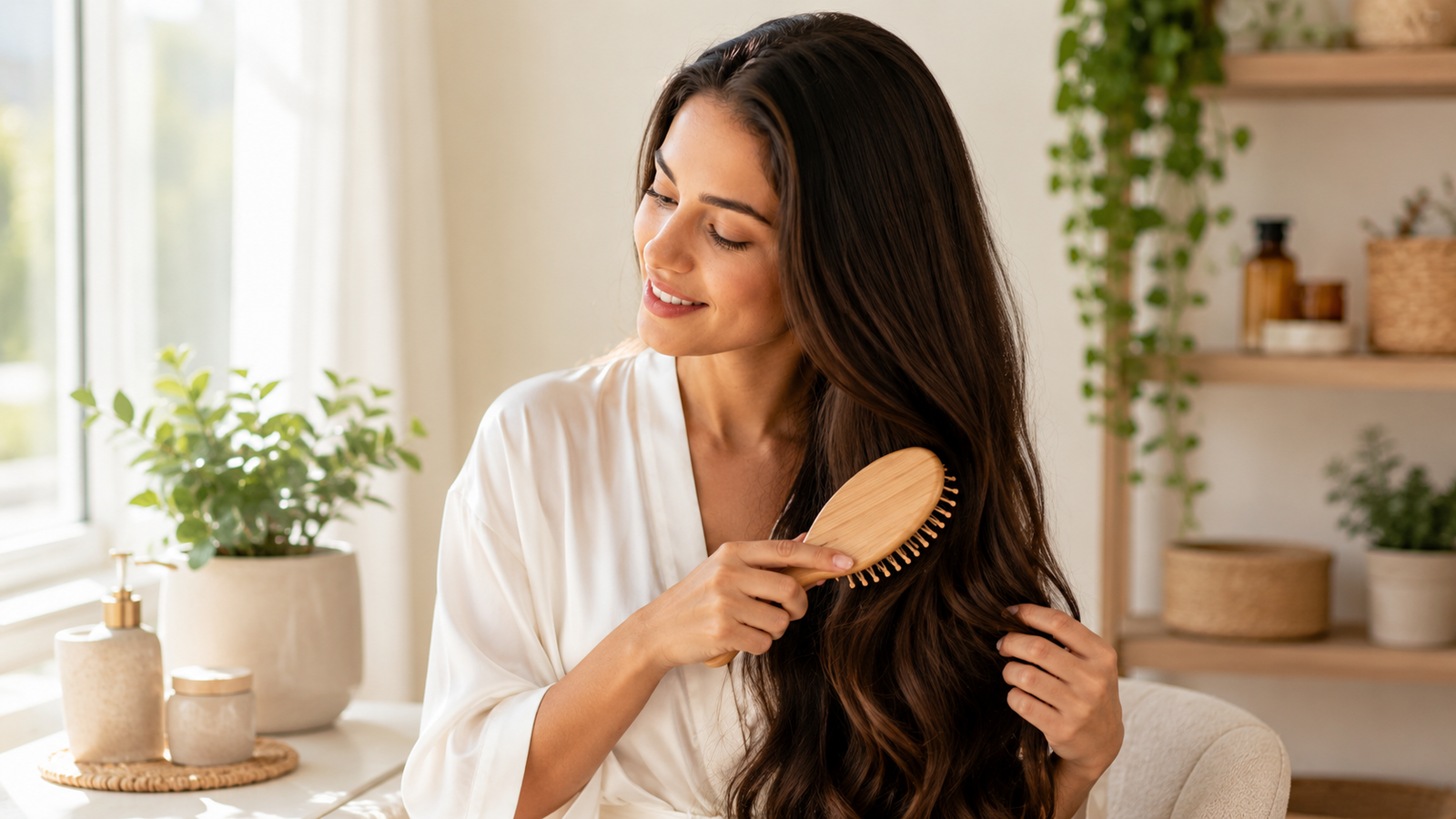
One of the most effective ways to minimize damage is to use tools designed for gentle detangling. Wide-tooth combs and brushes with flexible bristles can help reduce tension while moving through knots and tangles. These tools are often especially helpful for people with long, thick, curly, or textured hair.
When detangling, it is generally best to start at the ends of the hair and gradually work upward. This approach helps remove knots more gently and prevents excessive pulling from the roots. Trying to force a brush through tangled hair can increase stress on individual strands and contribute to unnecessary breakage.
Extra care should be taken when hair is wet. Wet hair is often more fragile and more vulnerable to stretching and damage. Using a wide-tooth comb after washing can help separate strands while minimizing tension. Allowing hair to partially air dry before brushing may also help reduce the risk of breakage for some individuals.
It is also helpful to avoid brushing more often than necessary. Excessive brushing does not automatically lead to healthier hair and may actually increase friction and wear on the hair shaft. Instead, focus on brushing only when needed to detangle, style, or distribute natural oils throughout the hair.
Gentle brushing can also support scalp comfort. Light, careful brushing may help distribute the scalp's natural oils from the roots toward the ends of the hair, contributing to a smoother and healthier-looking appearance. These natural oils can help reduce dryness and improve shine without the need for additional products.
Although brushing is a small part of a daily routine, making this habit more mindful can contribute to healthier-looking hair over time. Consistent gentle handling helps protect strands from unnecessary stress and supports a stronger foundation for overall hair wellness.
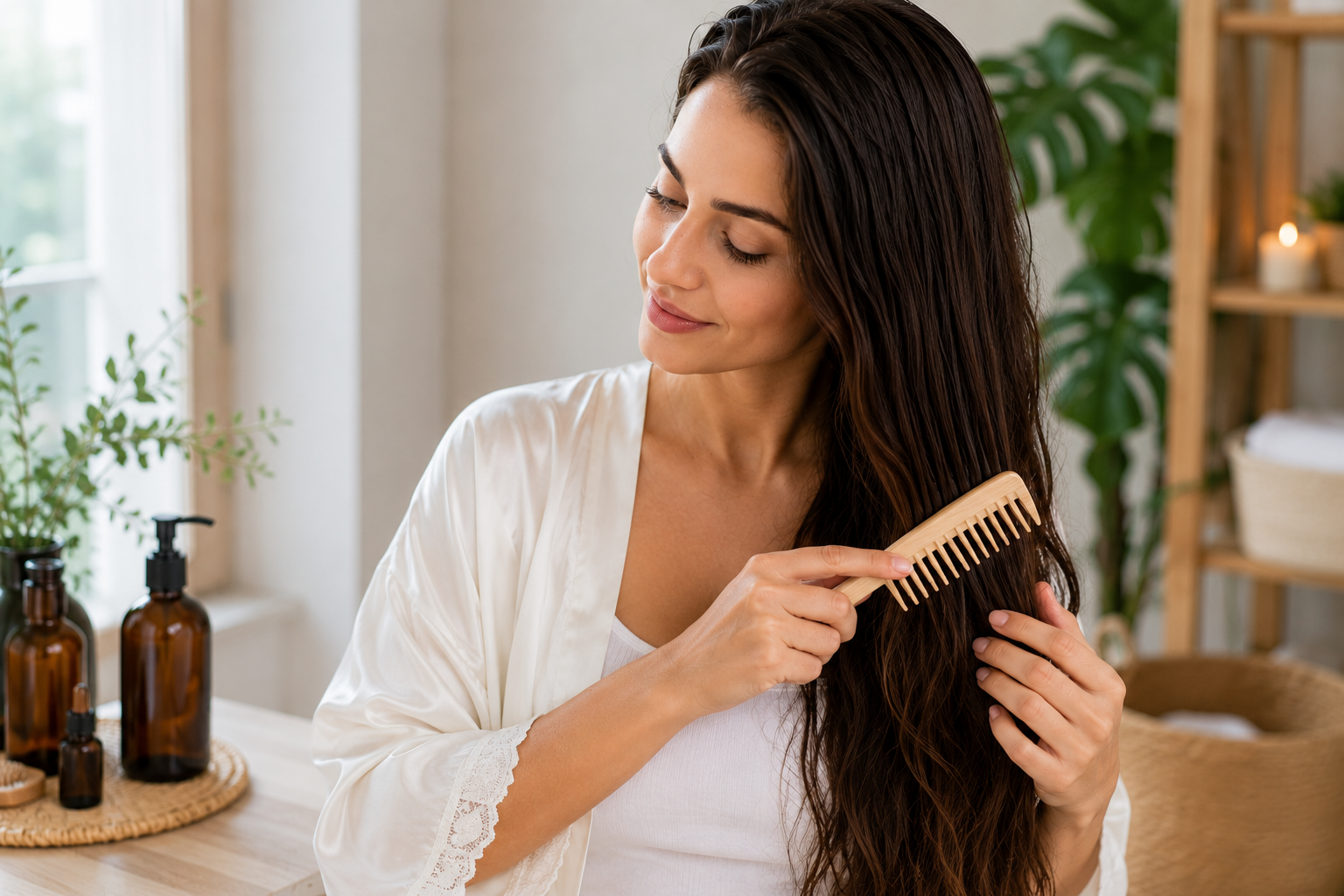
By choosing the right tools and brushing techniques, you can make a simple daily habit work in favor of your long-term hair care goals.
2. Wash Your Hair As Needed
Keeping your hair clean is an important part of maintaining its overall appearance and health. However, when it comes to washing your hair, there is no single schedule that works for everyone. The ideal frequency depends on factors such as hair type, scalp condition, lifestyle, activity level, and even environmental conditions.
Many people assume that washing hair every day is necessary, but frequent washing may not always be beneficial. In some cases, washing too often can remove natural oils produced by the scalp. These oils help protect and moisturize the hair, contributing to softness, shine, and overall manageability.
On the other hand, waiting too long between washes may allow excess oil, sweat, and product buildup to accumulate on the scalp. This can leave hair looking greasy, feeling heavy, and becoming more difficult to style. Finding a balance that works for your individual needs is often the most effective approach.
People with oily hair may feel more comfortable washing their hair more frequently, while those with dry, curly, or textured hair often benefit from washing less often. Curly hair, in particular, tends to have a harder time distributing natural oils throughout the hair shaft, which can make excessive washing more likely to contribute to dryness.
Paying attention to how your hair responds to your routine can help you determine the best washing schedule. If your hair frequently feels dry, brittle, or difficult to manage, you may want to evaluate whether over-washing could be a contributing factor. Likewise, if your scalp feels excessively oily or your hair lacks volume, more frequent cleansing may be helpful.
Choosing a gentle shampoo that matches your hair type can also make a difference. Harsh cleansing products may strip moisture from the hair, while milder formulas often provide effective cleansing without leaving hair feeling overly dry.
In addition to washing frequency, proper rinsing is equally important. Leaving shampoo or styling products in the hair may contribute to buildup over time. Taking the time to rinse thoroughly helps ensure that hair feels fresh, clean, and ready for conditioning.
Developing a washing routine that fits your individual needs can help maintain a healthier scalp environment and support stronger, more manageable hair over time.
3. Use A Conditioner Regularly
Conditioner is one of the most important products in a healthy hair care routine. While shampoo focuses on cleansing the scalp and removing dirt, oil, and buildup, conditioner helps replenish moisture and improve the overall feel and appearance of the hair.
Regular conditioning can help make hair softer, smoother, and easier to manage. It may also help reduce tangles, minimize frizz, and improve the appearance of dry or damaged strands. These benefits can make daily styling easier while helping hair look healthier overall.
After washing, conditioner is typically applied to the mid-lengths and ends of the hair. These areas are often more vulnerable to dryness because they are farther away from the scalp's natural oil production. Concentrating conditioner where it is most needed can help improve hydration without making the roots feel heavy.
Different hair types often benefit from different conditioning approaches. Fine hair may respond well to lightweight formulas, while thicker or more textured hair may benefit from richer moisturizing products. Selecting a conditioner designed for your hair type can help maximize results.
For individuals who regularly use heat styling tools, spend time outdoors, or color their hair, conditioning becomes even more important. Environmental exposure and styling practices can gradually affect moisture levels, making consistent hydration an essential part of long-term hair care.
In addition to traditional rinse-out conditioners, some people also incorporate leave-in conditioners into their routines. These products can provide additional moisture and support throughout the day, particularly for hair that tends to become dry or difficult to manage.
Consistent conditioning is not simply about improving appearance. It is also about supporting the hair's ability to remain flexible and resilient. Well-conditioned hair often experiences less friction during styling and may be less prone to breakage caused by everyday handling.
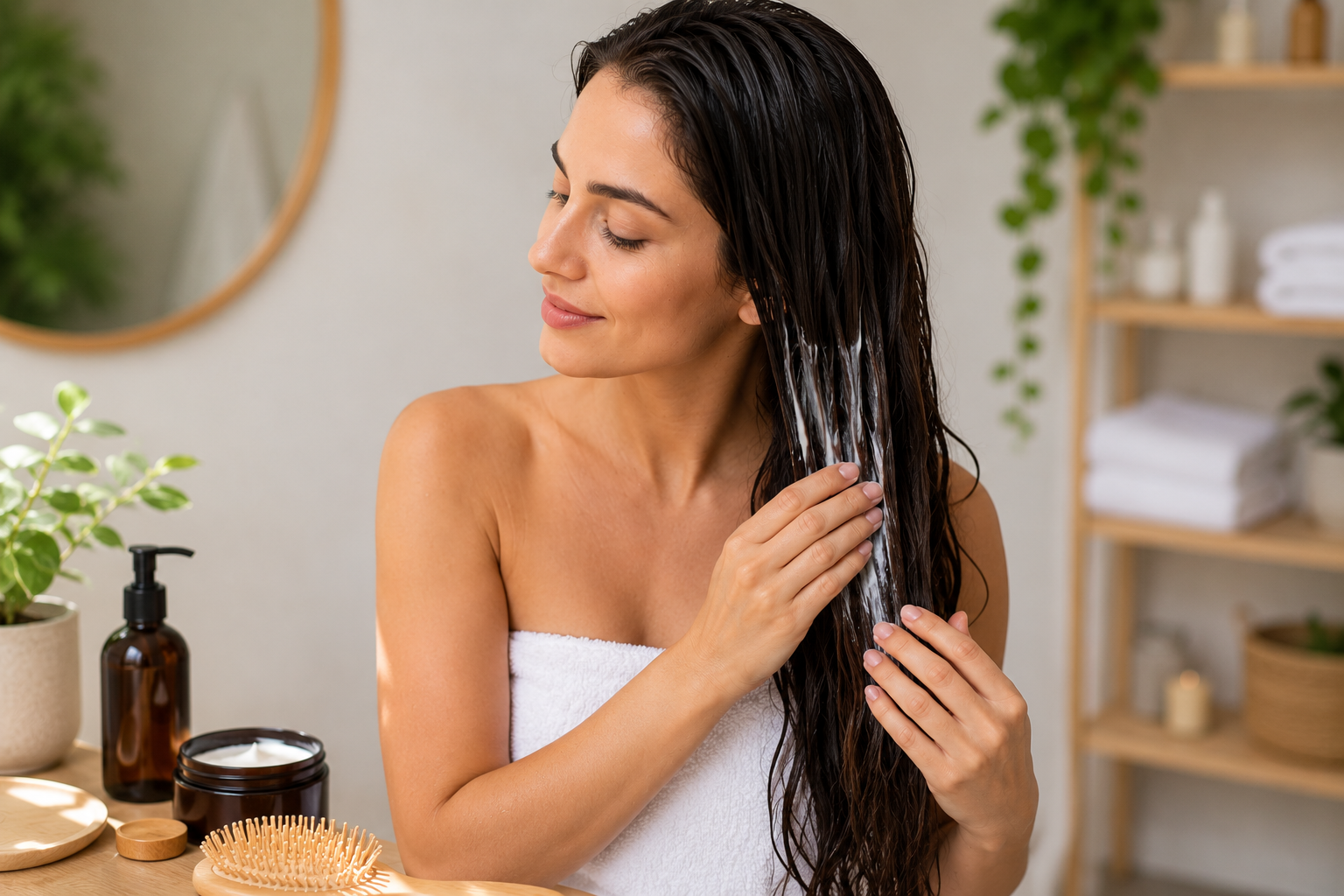
Making conditioner a regular part of your routine can help support moisture balance, improve manageability, and contribute to healthier-looking hair day after day.
4. Protect Hair From Heat
Heat styling tools have become part of many people's daily beauty routines. Blow dryers, flat irons, curling wands, and heated brushes can help create a polished look, but frequent exposure to high temperatures may gradually affect the condition of your hair.
When hair is repeatedly exposed to excessive heat, it can lose moisture more quickly. Over time, this may contribute to dryness, dullness, and increased susceptibility to breakage. While occasional heat styling is common, taking steps to minimize unnecessary heat exposure can help support healthier-looking hair in the long run.
One simple strategy is to allow your hair to air dry partially before using a blow dryer. Reducing the amount of time hair spends under direct heat can help limit stress on the hair shaft while still allowing you to achieve your desired style.
Using lower heat settings whenever possible may also be beneficial. Many styling tools offer adjustable temperature controls, allowing you to choose settings that are appropriate for your hair type and condition. Fine or damaged hair often benefits from lower temperatures than thicker or more resistant hair types.
Protective products can also play an important role in a heat styling routine. Many leave-in treatments and heat protectants are designed to help reduce the impact of heat exposure while improving manageability and shine.
In addition to styling tools, environmental heat can also affect hair. Prolonged sun exposure, especially during warmer months, may contribute to dryness. Wearing a hat or seeking shade when spending extended time outdoors can help provide additional protection.
By combining thoughtful styling habits with protective products, you can continue enjoying your favorite hairstyles while helping to preserve the health and appearance of your hair.
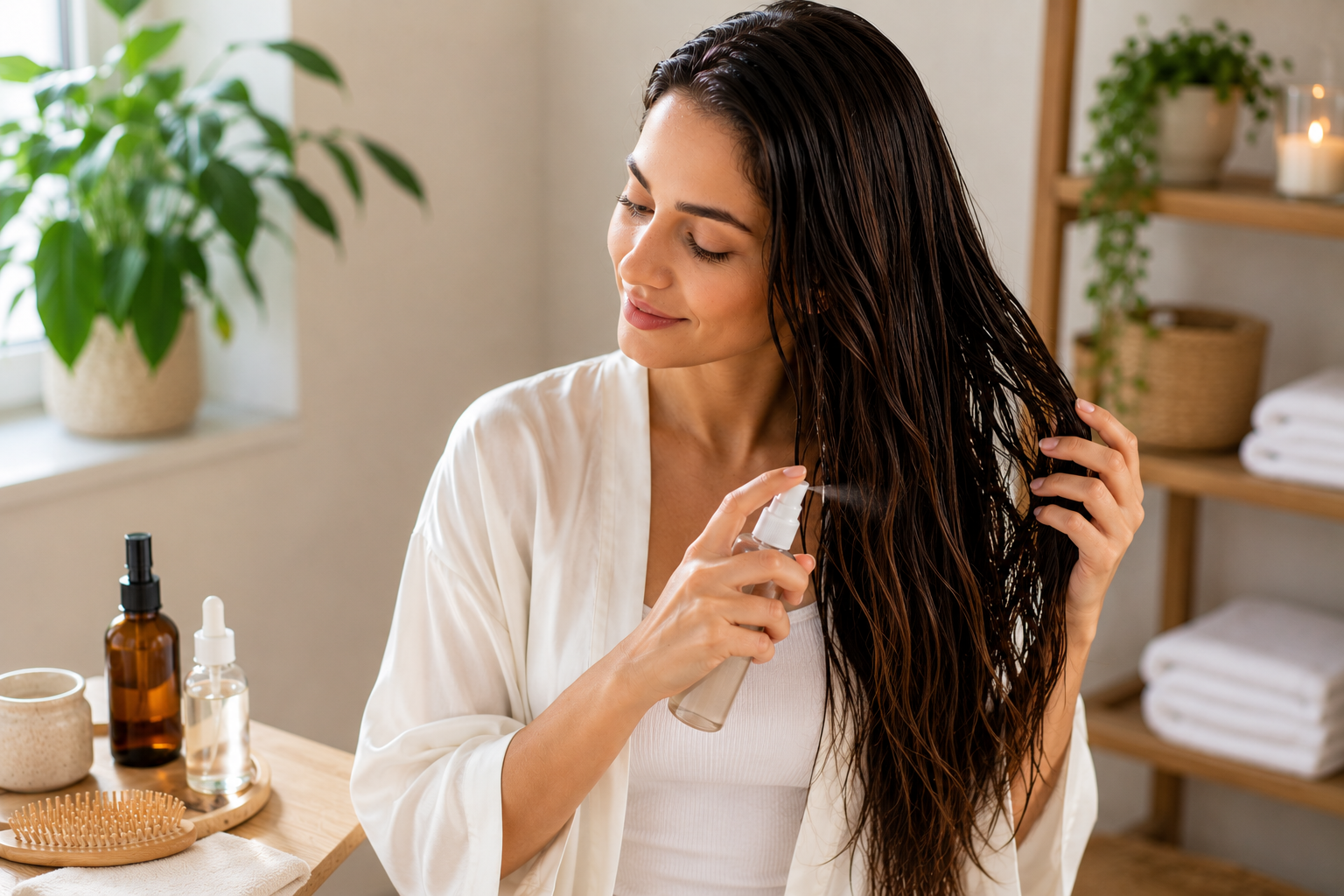
Protecting your hair from excessive heat is one of the most effective habits for maintaining strength, softness, and long-term hair wellness.
5. Stay Hydrated
Hydration is often associated with overall wellness, and it can also play a role in supporting healthy-looking hair. Water is involved in countless processes throughout the body, making adequate hydration an important component of a balanced lifestyle.
While drinking water alone will not solve every hair concern, maintaining proper hydration may help support the body's natural functions, including those related to skin and scalp health. A healthy scalp provides the foundation from which healthy hair grows.
Many people focus exclusively on external hair care products while overlooking internal wellness habits. Combining a consistent hair care routine with healthy hydration practices creates a more comprehensive approach to self-care.
One of the easiest ways to increase water intake is to carry a reusable water bottle throughout the day. Setting reminders or drinking water alongside meals can also help establish a sustainable hydration habit.
Hydration becomes especially important during hot weather, periods of increased physical activity, or whenever the body loses additional fluids. Staying mindful of your water intake can support overall wellness while complementing your hair care efforts.
It is also helpful to remember that hydration comes from more than water alone. Many fruits and vegetables naturally contain water and can contribute to daily fluid intake as part of a balanced diet.
Although hydration may seem like a simple habit, small daily choices often create meaningful long-term benefits. Supporting your body's overall wellness can contribute to healthier-looking hair and a stronger self-care routine.
Making hydration a priority is a simple and affordable habit that supports not only your hair but your overall health and well-being.