
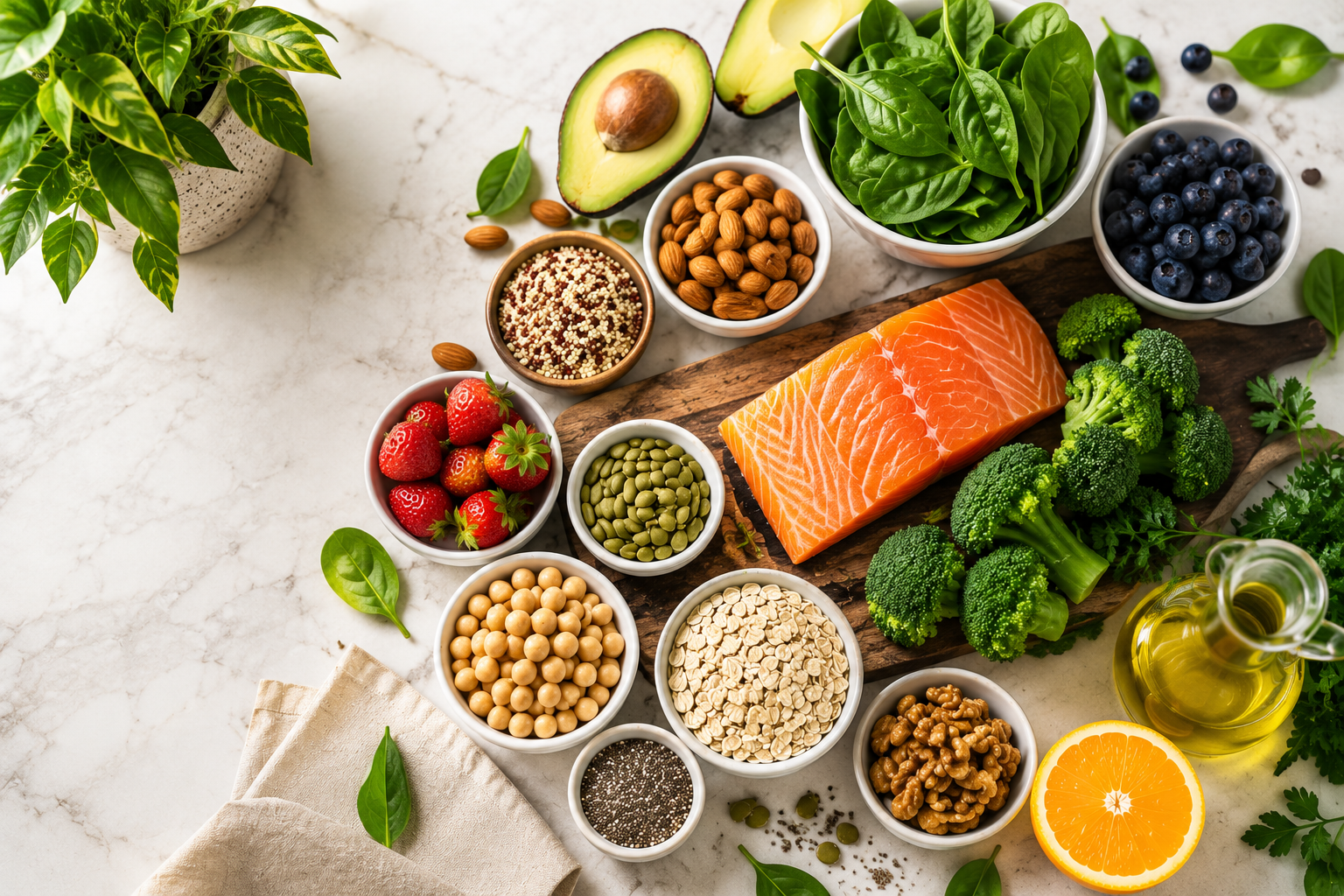
Healthy foods play an important role in supporting overall wellness, energy levels, and long-term health. While there is no single food that can provide everything the body needs, choosing a variety of nutrient-rich foods can help support healthy eating habits and contribute to a balanced lifestyle.
Many people focus on diets, restrictions, or temporary health trends. However, lasting wellness is often built on simple daily choices, including the foods we eat regularly. Incorporating healthy foods into your routine can help provide essential nutrients that support normal body functions and overall wellbeing.
Healthy eating does not have to be complicated. Small changes such as adding more fruits, vegetables, healthy fats, lean proteins, and whole grains to your meals can make a meaningful difference over time. These foods provide vitamins, minerals, fiber, antioxidants, and other nutrients that help support a healthy lifestyle.
In addition to physical health, nutrition may also influence energy levels, focus, mood, and daily performance. When healthy foods become part of a consistent routine, they can help create a strong foundation for overall wellness.
In this guide, we'll explore 10 healthy foods that support overall wellness and discuss why nutrient-rich foods are an important part of healthy living.
Why Healthy Foods Matter For Overall Wellness
Food provides the nutrients your body needs to function properly every day. A balanced diet that includes a variety of healthy foods can help support energy production, immune function, heart health, digestive wellness, and many other important processes.
One of the biggest benefits of healthy eating is consistency. While occasional treats can certainly be part of a balanced lifestyle, regularly choosing nutrient-dense foods helps provide the body with the building blocks it needs to maintain overall wellbeing.
Healthy foods also work together. For example, fruits and vegetables provide vitamins and antioxidants, while healthy fats support nutrient absorption and lean proteins help maintain muscle health. Combining different food groups can help create balanced meals that support overall wellness.
Another advantage of healthy eating is that many nutrient-rich foods are naturally satisfying. Foods that contain fiber, protein, and healthy fats may help support fullness and make it easier to maintain healthy eating habits throughout the day.

1. Leafy Greens
Leafy greens are among the most nutrient-dense healthy foods available. Vegetables such as spinach, kale, arugula, and Swiss chard provide vitamins, minerals, antioxidants, and fiber while remaining relatively low in calories.
These vegetables are commonly included in healthy eating patterns because they can easily be added to salads, smoothies, soups, sandwiches, and balanced meals.
Benefits Of Leafy Greens
- Provide important vitamins and minerals.
- Contain dietary fiber that supports digestive health.
- Offer antioxidants that help protect cells from oxidative stress.
- Can be incorporated into many different meals and recipes.
Adding leafy greens to your daily meals is one of the simplest ways to increase nutrient intake and support overall wellness.
2. Berries
Berries such as blueberries, strawberries, raspberries, and blackberries are popular healthy foods because they provide vitamins, fiber, and beneficial plant compounds.
They can be enjoyed on their own or added to yogurt, oatmeal, smoothies, and healthy snacks. Their natural sweetness makes them an easy choice for people looking to include more nutritious foods in their diet.
Benefits Of Berries
- Rich in vitamins and antioxidants.
- Provide dietary fiber.
- Easy to include in healthy meals and snacks.
- Support a balanced and nutrient-rich eating pattern.
3. Salmon
Salmon is widely recognized as one of the healthiest foods for overall wellness. It provides high-quality protein along with omega-3 fatty acids, which are commonly included in healthy eating patterns around the world.
Protein plays an important role in maintaining muscles, tissues, and overall body function. Omega-3 fatty acids are valued for their role in supporting heart health and overall wellbeing.
Salmon is also versatile and can be prepared in many ways, including baking, grilling, or adding it to salads and grain bowls.
Benefits Of Salmon
- Provides high-quality protein.
- Contains omega-3 fatty acids.
- Supports a balanced and nutrient-rich diet.
- Can be included in a variety of healthy meals.
4. Avocados
Avocados are nutrient-dense fruits that contain healthy fats, fiber, vitamins, and minerals. Their creamy texture and mild flavor make them a popular addition to many healthy meals.
Unlike many fruits, avocados contain a significant amount of monounsaturated fats, which are often included in heart-conscious eating plans. They can be added to salads, sandwiches, wraps, smoothies, and grain bowls.
Benefits Of Avocados
- Provide healthy fats.
- Contain dietary fiber.
- Offer vitamins and minerals.
- Can help create satisfying and balanced meals.
5. Nuts And Seeds
Nuts and seeds are small but highly nutritious foods that provide healthy fats, protein, fiber, and essential nutrients. Popular options include almonds, walnuts, chia seeds, flaxseeds, pumpkin seeds, and sunflower seeds.
Because they are convenient and portable, nuts and seeds are often included in healthy snacks and meal plans. They can also be added to yogurt, oatmeal, salads, and smoothies.
Different varieties offer unique nutritional profiles, making variety an excellent approach when incorporating them into a healthy lifestyle.
Benefits Of Nuts And Seeds
- Contain healthy fats and plant-based protein.
- Provide fiber and important nutrients.
- Support balanced eating habits.
- Easy to include in meals and snacks.
6. Olive Oil
Olive oil is a staple ingredient in many healthy eating patterns. It is commonly used in cooking, salad dressings, and meal preparation because of its versatility and nutritional profile.
Extra virgin olive oil is especially popular due to its natural antioxidants and healthy fats. Using olive oil as part of a balanced diet can help add flavor while supporting healthy eating habits.
Simple substitutions, such as using olive oil instead of more heavily processed fats, can be an easy way to improve the nutritional quality of meals.
Benefits Of Olive Oil
- Provides healthy monounsaturated fats.
- Contains naturally occurring antioxidants.
- Works well in a variety of recipes.
- Supports balanced and flavorful meal preparation.
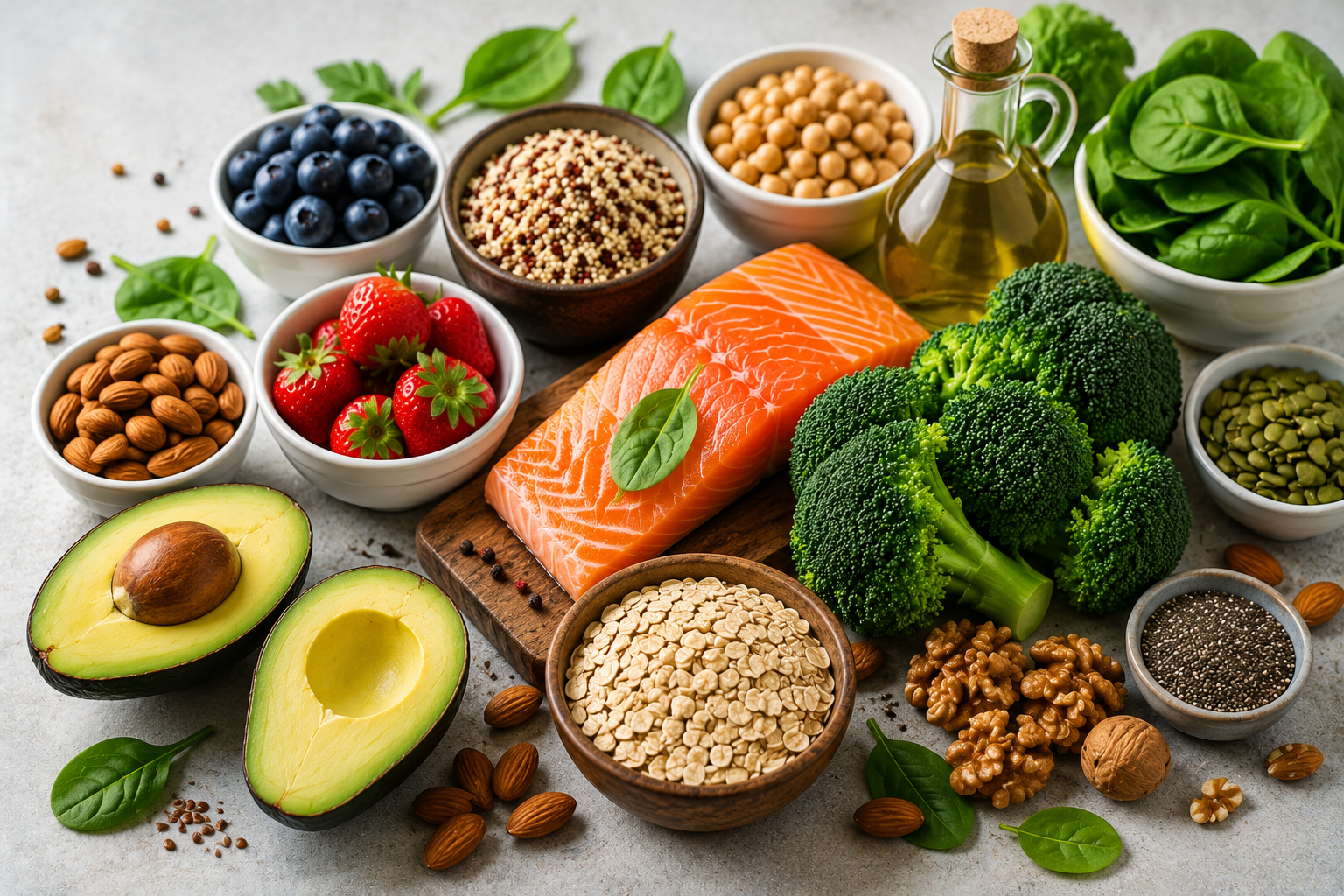
Including healthy fats and protein-rich foods such as salmon, avocados, nuts, seeds, and olive oil can help create satisfying meals while supporting overall wellness. These nutrient-rich foods complement fruits and vegetables and play an important role in a balanced eating pattern.
7. Whole Grains
Whole grains are healthy foods that provide fiber, vitamins, minerals, and complex carbohydrates. Unlike refined grains, whole grains retain more of their natural nutrients, making them a valuable part of a balanced diet.
Popular examples include oats, quinoa, brown rice, barley, and whole wheat products. These foods can be used in breakfast meals, side dishes, salads, and healthy snacks.
Benefits Of Whole Grains
- Provide dietary fiber.
- Contain important vitamins and minerals.
- Support balanced nutrition.
- Help create satisfying meals.
8. Broccoli
Broccoli is one of the most popular vegetables among healthy foods because it offers a wide variety of nutrients while being easy to include in meals. It can be steamed, roasted, sautéed, or added to soups and salads.
This versatile vegetable contains vitamins, minerals, fiber, and naturally occurring plant compounds that contribute to a nutrient-rich eating pattern.
Benefits Of Broccoli
- Rich in vitamins and minerals.
- Provides dietary fiber.
- Easy to prepare and include in meals.
- Supports a healthy and balanced lifestyle.
9. Legumes
Legumes such as beans, lentils, chickpeas, and peas are affordable, nutritious, and highly versatile foods. They provide plant-based protein, fiber, and a variety of important nutrients.
Legumes are commonly included in healthy eating plans because they can be used in soups, salads, grain bowls, side dishes, and main meals.
Benefits Of Legumes
- Provide plant-based protein.
- Contain dietary fiber.
- Support balanced nutrition.
- Work well in a variety of recipes.
10. Citrus Fruits
Citrus fruits such as oranges, lemons, grapefruits, and mandarins are refreshing healthy foods that provide vitamins, hydration, and natural flavor.
These fruits are easy to enjoy as snacks, desserts, or additions to meals. Their versatility makes them a simple way to add more nutrient-rich foods to your daily routine.
Benefits Of Citrus Fruits
- Provide vitamins and beneficial nutrients.
- Support healthy eating habits.
- Can be enjoyed in many different ways.
- Help add variety to a balanced diet.
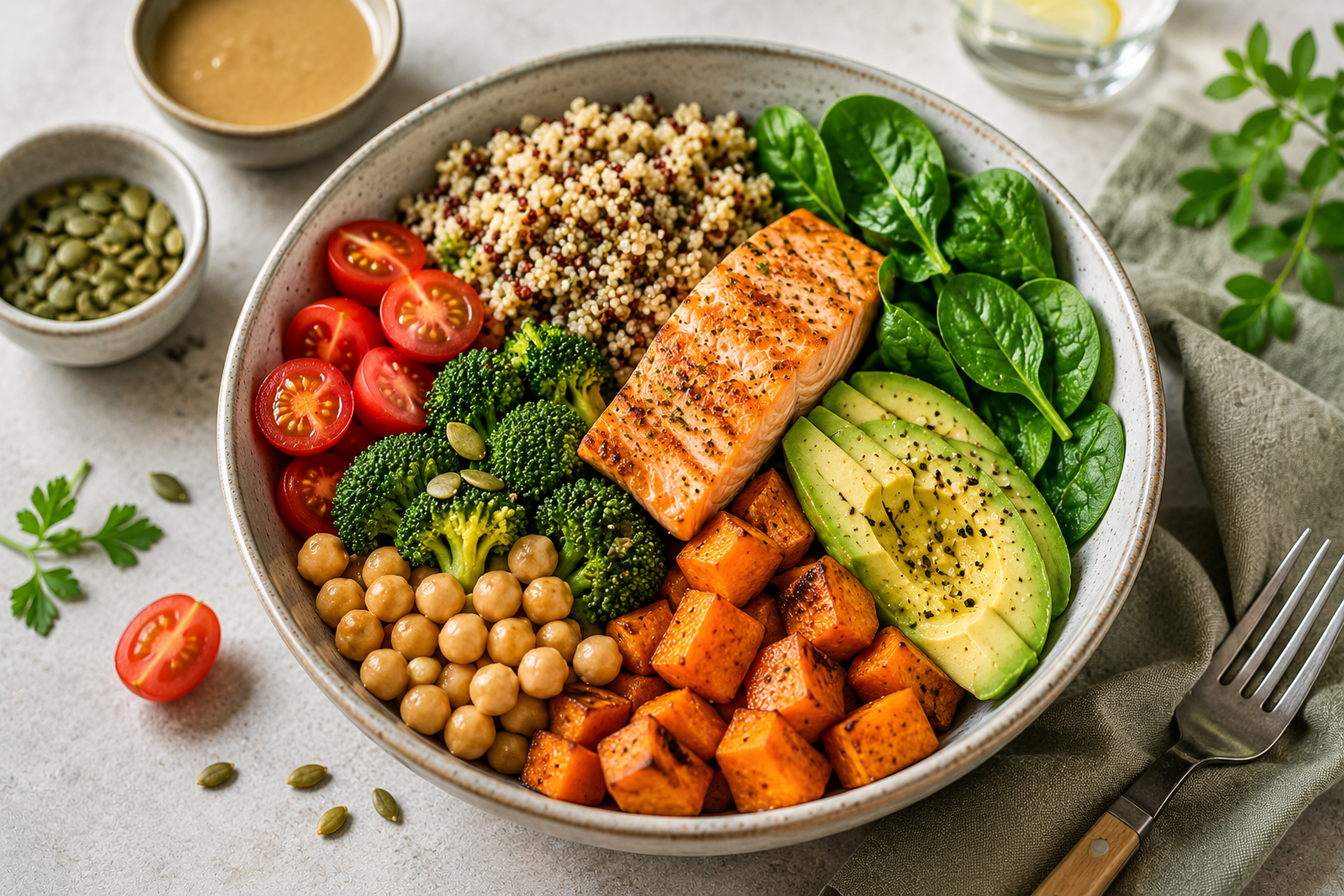
How To Include More Healthy Foods In Your Daily Routine
Building healthy eating habits does not require a complete lifestyle overhaul. Small, consistent changes are often the most sustainable approach.
Here are a few simple ways to include more healthy foods in your daily routine:
- Add a serving of vegetables to lunch and dinner.
- Choose fruit as a snack when possible.
- Include a source of protein with each meal.
- Replace refined grains with whole grains.
- Keep healthy foods readily available at home.
- Plan meals ahead of time to make nutritious choices easier.
Over time, these simple habits can help create a healthier eating pattern that supports overall wellness and long-term wellbeing.
Frequently Asked Questions
What are the healthiest foods to eat every day?
Many healthy foods can be included in a daily diet, including leafy greens, berries, vegetables, whole grains, legumes, nuts, seeds, and healthy protein sources.
Why are healthy foods important for overall wellness?
Healthy foods provide nutrients that support normal body functions, energy production, healthy eating habits, and overall wellbeing.
How can I start eating healthier?
Start with small changes such as adding more fruits and vegetables to meals, choosing whole grains, including healthy proteins, and reducing highly processed foods when possible.
Do healthy foods have to be expensive?
No. Many nutritious foods such as beans, oats, lentils, frozen vegetables, seasonal fruits, and whole grains can be affordable options for healthy eating.
Final Thoughts
Healthy foods are an essential part of a balanced lifestyle and can help support overall wellness, energy, and long-term health. While no single food provides every nutrient the body needs, including a variety of nutrient-rich foods can help create healthy eating habits that are sustainable over time.
Leafy greens, berries, salmon, avocados, nuts, seeds, olive oil, whole grains, broccoli, legumes, and citrus fruits are excellent examples of foods that can contribute to a healthy lifestyle. By making small improvements to your daily nutrition, you can build habits that support your wellbeing for years to come.
The key is consistency. Focus on adding more healthy foods to your routine, creating balanced meals, and making choices that fit your lifestyle and personal preferences.