Why Fiber Matters For Digestive Health
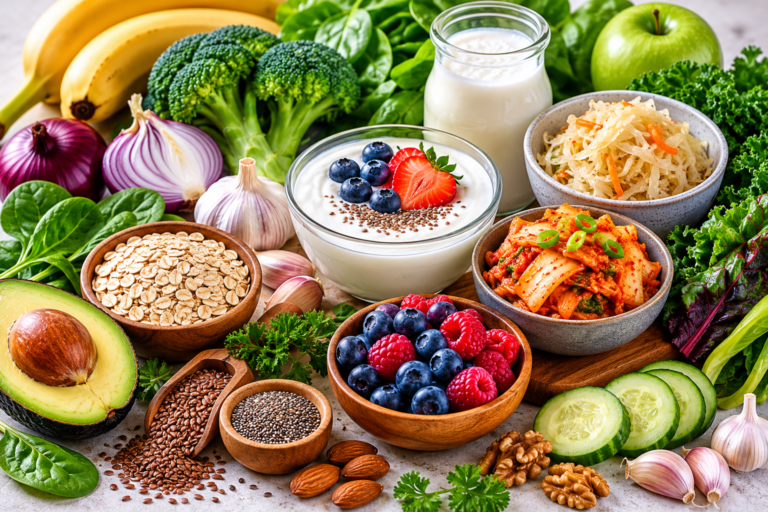
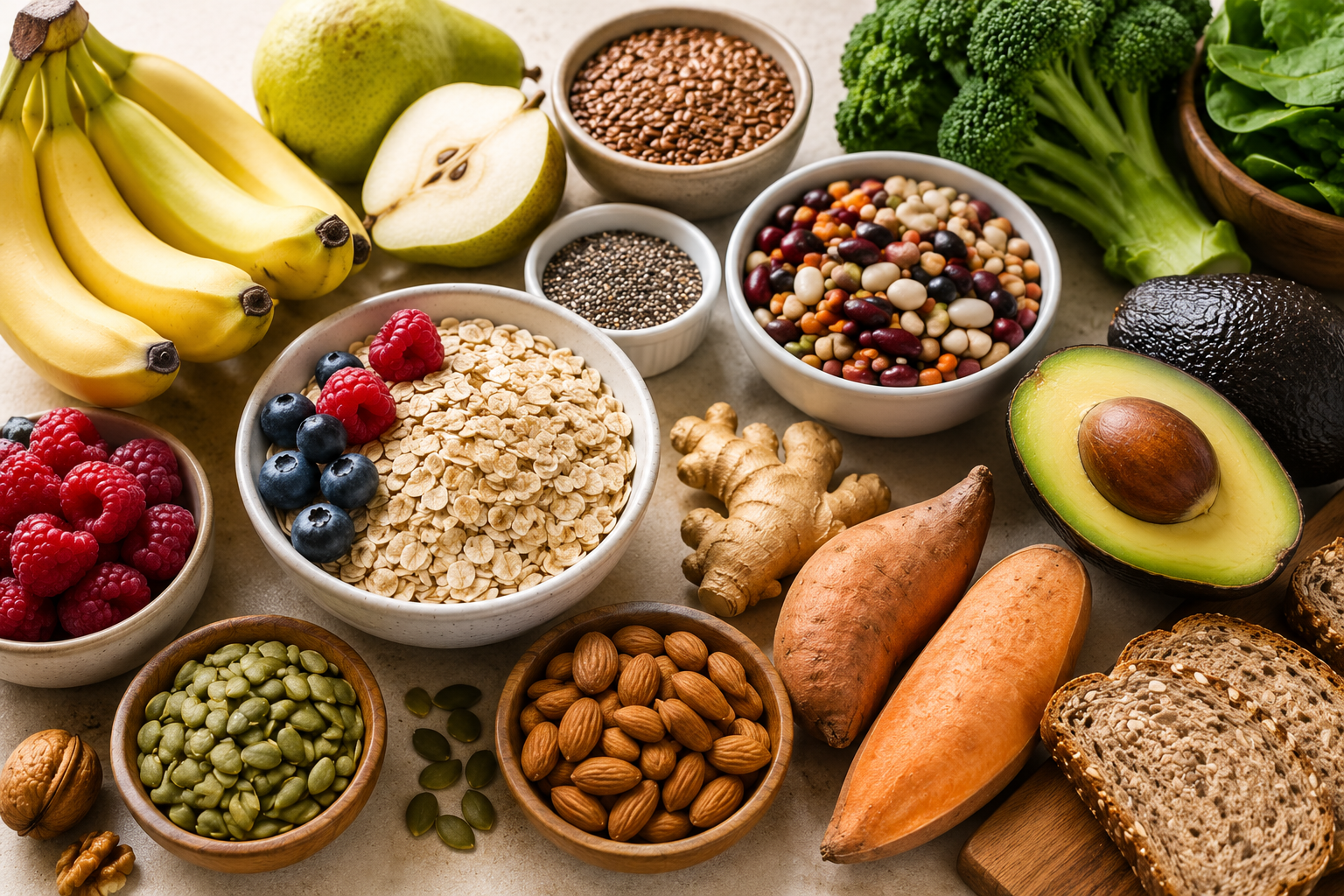
Fiber is one of the most important nutrients for maintaining a healthy digestive system. Found naturally in fruits, vegetables, legumes, whole grains, nuts, and seeds, dietary fiber helps support regular digestion and contributes to overall wellness.
Unlike other nutrients, fiber passes through the digestive system relatively intact. This unique characteristic allows it to support digestive function, promote feelings of fullness, and help maintain a balanced gut environment.
Many people do not consume enough fiber in their daily diets. Adding more high fiber foods to meals and snacks may help support digestive health while also providing essential vitamins, minerals, and plant compounds that contribute to overall wellbeing.
There are two primary types of dietary fiber:
- Soluble fiber dissolves in water and forms a gel-like substance that supports digestive balance.
- Insoluble fiber adds bulk to the digestive system and helps support regular bowel movements.
Both types play important roles in supporting healthy digestion and can be found in many nutritious foods.
Benefits Of Eating High Fiber Foods
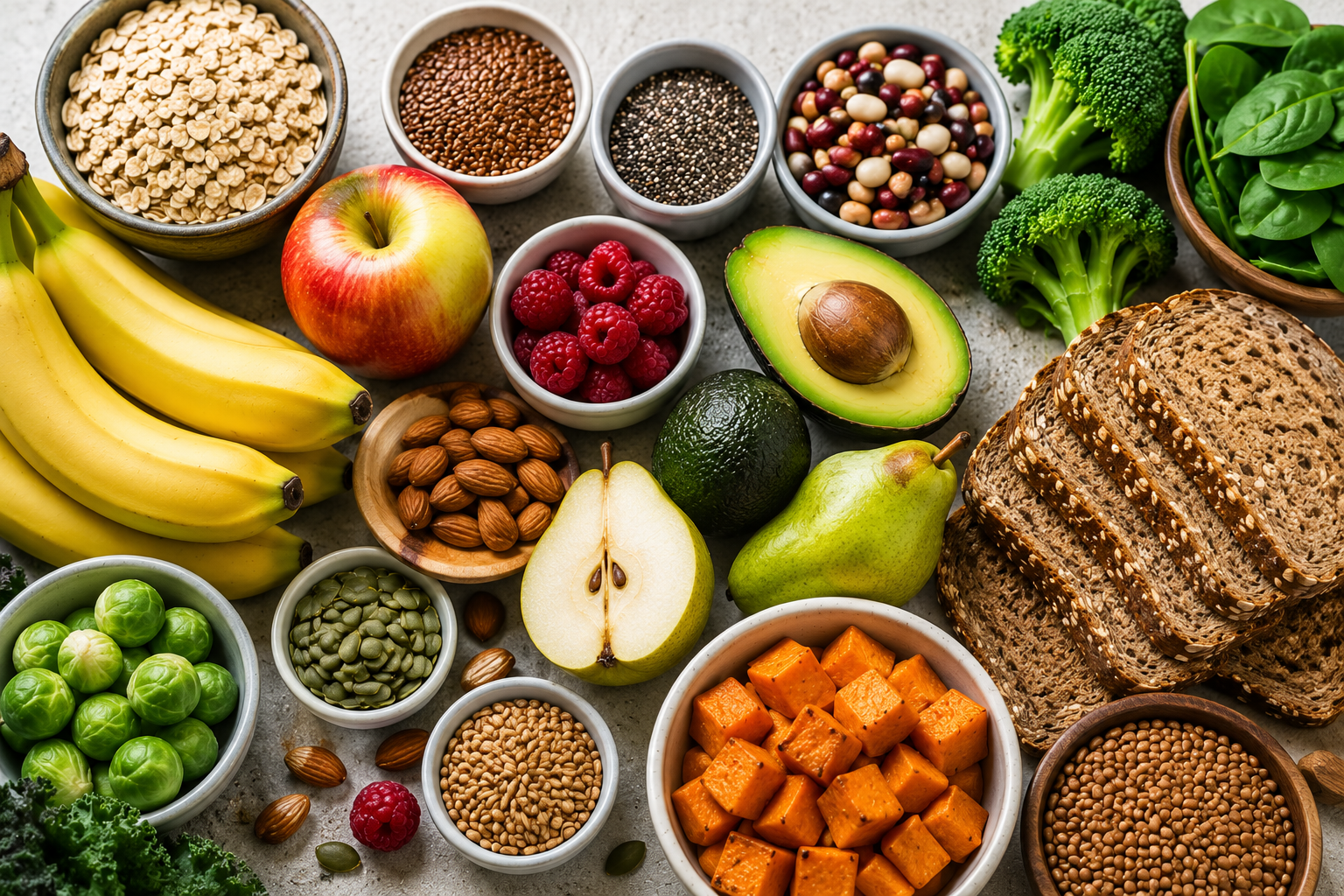
Including more high fiber foods in your diet may provide several important benefits for digestive health and overall wellness. Fiber-rich foods are often packed with nutrients while supporting healthy eating habits.
Some potential benefits of consuming more dietary fiber include:
- Supporting healthy digestion and regularity.
- Helping maintain a balanced gut environment.
- Promoting feelings of fullness between meals.
- Providing important vitamins, minerals, and antioxidants.
- Supporting a healthy and balanced lifestyle.
Because fiber is found in many plant-based foods, increasing fiber intake often encourages greater consumption of fruits, vegetables, legumes, and whole grains that contribute to long-term health.
1. Oats
Oats are one of the most popular high fiber foods and are widely recognized for their nutritional value. They contain soluble fiber, particularly beta-glucan, which can help support digestive health and contribute to a balanced diet.
Oats are also incredibly versatile. They can be enjoyed as oatmeal, added to smoothies, mixed into yogurt, or incorporated into baked goods for an easy fiber boost.
Starting your day with a bowl of oats can be a simple and delicious way to increase your daily fiber intake while supporting digestive wellness.
2. Chia Seeds
Chia seeds are tiny nutritional powerhouses packed with dietary fiber. When mixed with liquid, they absorb water and develop a gel-like texture, making them a popular addition to healthy meals and snacks.
These small seeds can be added to smoothies, yogurt, oatmeal, salads, or homemade puddings. Their versatility makes them an easy option for increasing fiber intake throughout the day.
In addition to fiber, chia seeds provide plant-based nutrients that support a balanced and nutritious eating pattern.
3. Flax Seeds
Flax seeds are another excellent source of dietary fiber and can be easily incorporated into a variety of meals. They contain both soluble and insoluble fiber, making them a valuable addition to a digestive-friendly eating plan.
Ground flax seeds can be sprinkled over oatmeal, yogurt, salads, and smoothies. They also work well in homemade baked goods and healthy breakfast recipes.
Including flax seeds regularly may help increase daily fiber intake while adding important nutrients to your diet.
4. Lentils
Lentils are among the most nutrient-dense legumes and provide a substantial amount of dietary fiber. They are commonly used in soups, stews, salads, and grain bowls.
Because lentils are rich in both fiber and plant-based protein, they can help create satisfying meals that support healthy eating habits.
Adding lentils to your weekly meal plan is a simple way to enjoy a variety of nutrients while supporting digestive health.
5. Beans
Beans are one of the best high fiber foods available and come in many varieties, including black beans, kidney beans, navy beans, and pinto beans.
They can be used in salads, soups, burrito bowls, and side dishes. Their combination of fiber and protein makes them a popular choice for balanced meals.
Regularly including beans in your diet may help support digestive wellness while contributing to overall nutritional intake.
6. Avocados
Avocados are well known for their healthy fats, but they are also a good source of dietary fiber. Their creamy texture makes them easy to incorporate into meals throughout the day.
Avocados can be added to salads, sandwiches, wraps, grain bowls, or enjoyed simply on whole-grain toast.
Pairing fiber-rich foods such as avocados with fruits, vegetables, and whole grains can help create balanced meals that support digestive health.
7. Broccoli
Broccoli is a nutrient-rich vegetable that provides fiber along with vitamins, minerals, and beneficial plant compounds.
It can be steamed, roasted, sautéed, or added to soups and stir-fries. Its versatility makes it an excellent vegetable for increasing daily fiber intake.
Including broccoli as part of a balanced diet can help support healthy digestion while providing valuable nutrients for overall wellness.
Simple Ways To Add More Fiber To Your Diet
Increasing fiber intake does not have to be complicated. Small dietary changes can make a meaningful difference over time and help support digestive wellness.
Here are some simple strategies for adding more fiber to your daily routine:
- Choose whole fruits instead of fruit juices.
- Include vegetables with lunch and dinner.
- Replace refined grains with whole-grain alternatives.
- Add seeds such as chia or flax to smoothies and yogurt.
- Incorporate beans and lentils into soups, salads, and main dishes.
- Snack on fruits, nuts, and vegetables instead of highly processed foods.
Making gradual changes allows your digestive system to adapt comfortably while helping you build sustainable healthy eating habits.
Remember to drink enough water throughout the day, as adequate hydration works alongside dietary fiber to support normal digestive function.
8. Pears
Pears are one of the highest-fiber fruits and make a delicious addition to a healthy diet. They provide both soluble and insoluble fiber, helping support digestive health while delivering natural sweetness.
Pears can be enjoyed fresh, sliced into salads, added to oatmeal, or paired with nuts for a satisfying snack. Eating the skin provides additional fiber and nutrients.
Including pears regularly is an easy way to increase your daily fiber intake while enjoying a naturally flavorful fruit.
9. Raspberries
Raspberries are packed with dietary fiber and beneficial plant compounds. Despite their small size, they provide an impressive amount of fiber compared to many other fruits.
These colorful berries can be added to smoothies, yogurt, oatmeal, fruit bowls, or enjoyed on their own as a nutritious snack.
Their combination of fiber, vitamins, and antioxidants makes raspberries a valuable addition to a balanced eating plan.
10. Sweet Potatoes
Sweet potatoes are a nutrient-rich source of dietary fiber and are widely appreciated for their versatility. They can be baked, roasted, mashed, or incorporated into a variety of healthy meals.
In addition to fiber, sweet potatoes provide vitamins, minerals, and naturally occurring plant compounds that support overall wellness.
Adding sweet potatoes to your weekly meal plan can help increase fiber intake while bringing variety and flavor to your diet.
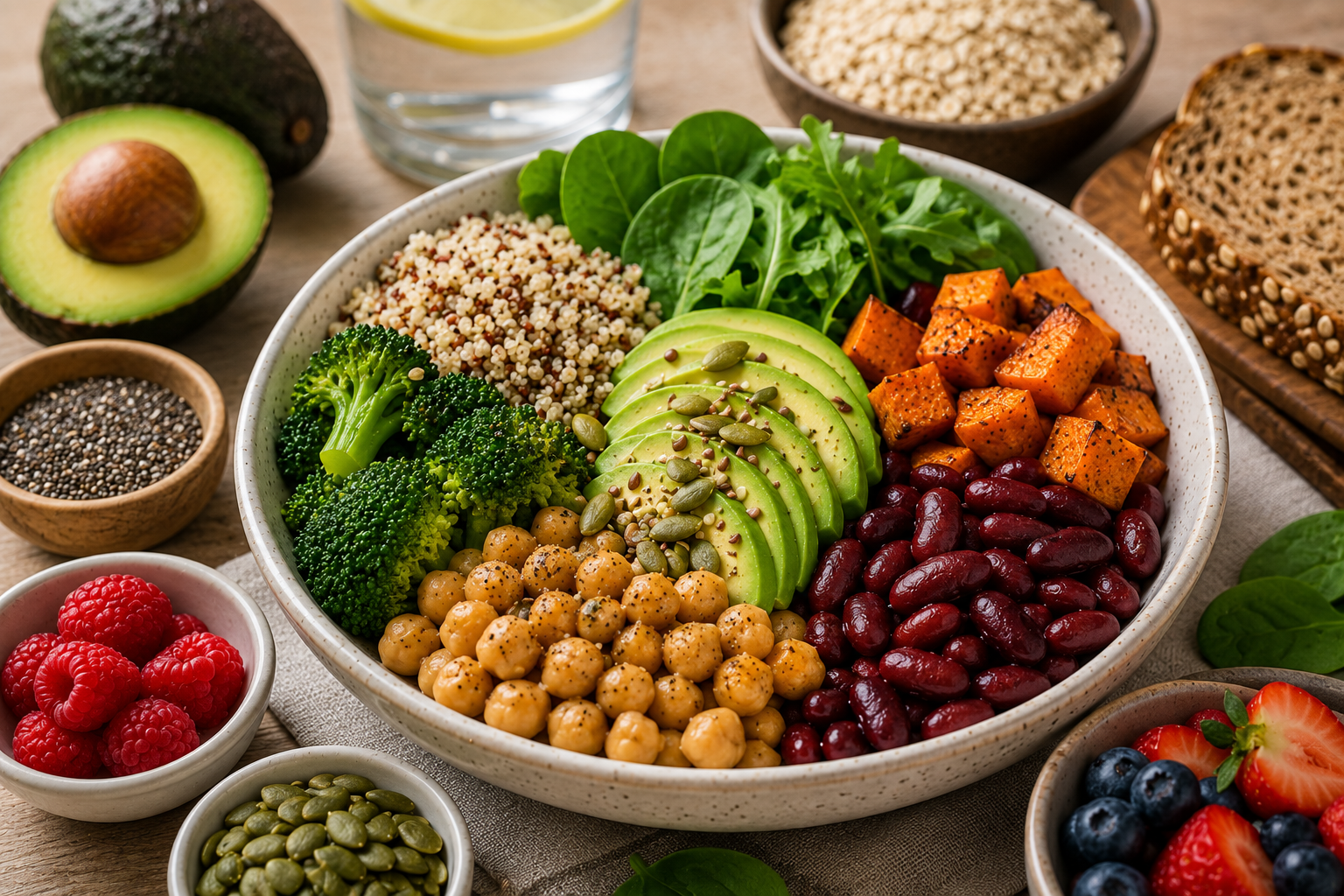
How To Build A High Fiber Plate
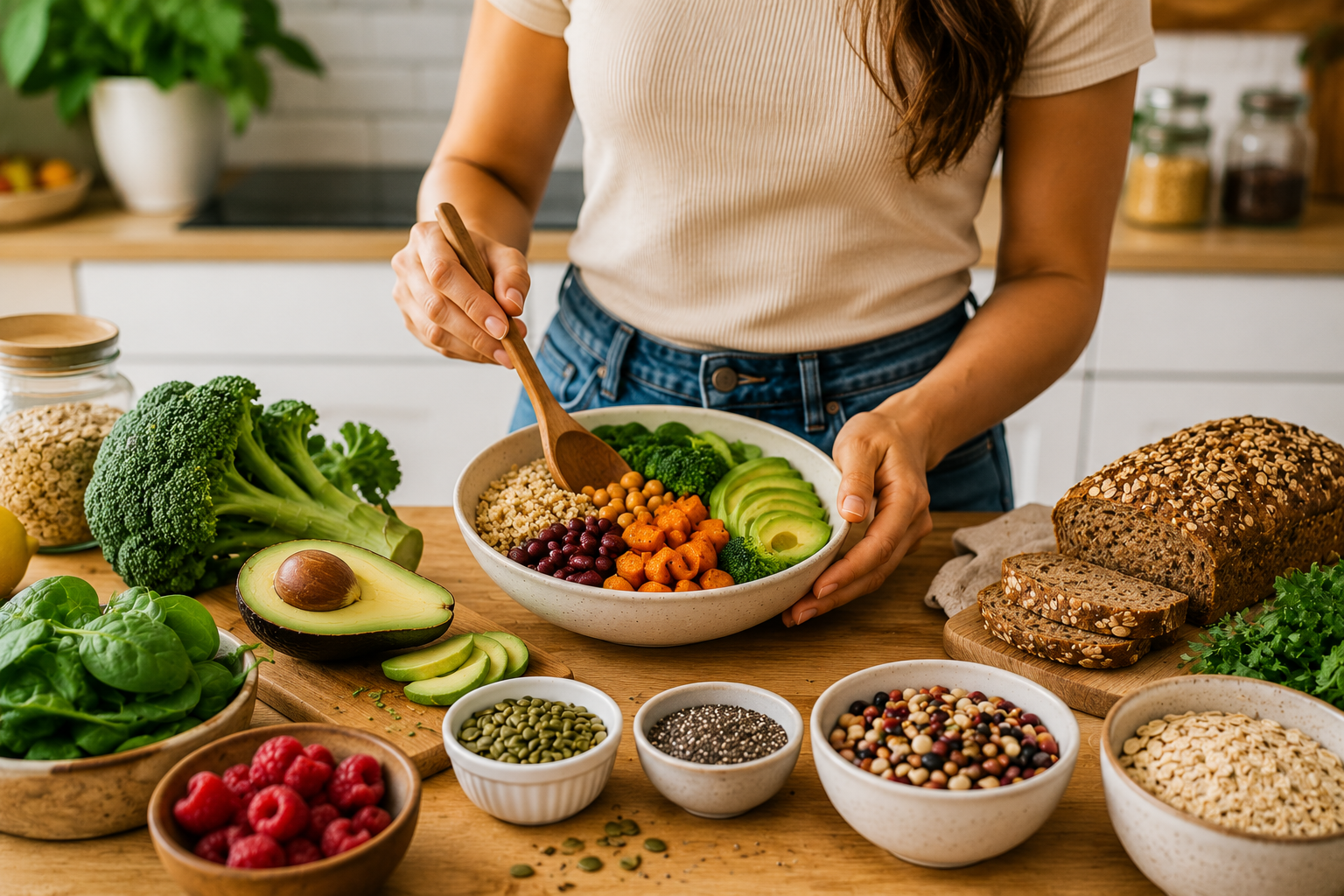
Creating a fiber-rich meal does not require complicated recipes. A balanced plate can be built by combining several high fiber foods from different food groups.
A simple high fiber plate may include:
- Whole grains such as oats, quinoa, or brown rice.
- Legumes such as beans, lentils, or chickpeas.
- Vegetables such as broccoli, leafy greens, and sweet potatoes.
- Fruits such as pears, raspberries, or bananas.
- Healthy fats from avocados, nuts, and seeds.
Combining these foods creates balanced meals that provide fiber, vitamins, minerals, and other important nutrients that contribute to digestive wellness and overall health.
Conclusion
Adding more high fiber foods to your diet is one of the simplest ways to support digestive health and promote overall wellness. Foods such as oats, chia seeds, flax seeds, lentils, beans, avocados, broccoli, pears, raspberries, and sweet potatoes provide valuable dietary fiber along with essential nutrients.
Making small, consistent changes to your eating habits can help you gradually increase fiber intake and build a more balanced diet. By including a variety of fiber-rich foods each day, you can support healthy digestion while enjoying delicious and nutritious meals.
Remember that a healthy lifestyle is built through consistent habits. Choosing more whole foods, staying hydrated, and maintaining a balanced diet can all contribute to long-term digestive wellness.
Frequently Asked Questions
What foods are highest in fiber?
Some of the highest-fiber foods include beans, lentils, chia seeds, flax seeds, oats, pears, raspberries, broccoli, and sweet potatoes.
How much fiber should adults eat daily?
Daily fiber needs vary based on age, sex, and individual health factors. General dietary guidelines recommend including a variety of fiber-rich foods throughout the day.
Can fiber support digestive health?
Yes. Dietary fiber plays an important role in supporting digestive function, maintaining regularity, and contributing to a balanced gut environment.
What are easy ways to increase fiber intake?
Simple strategies include eating more fruits and vegetables, choosing whole grains, adding seeds to meals, and incorporating beans and lentils into recipes regularly.